
 Sign in
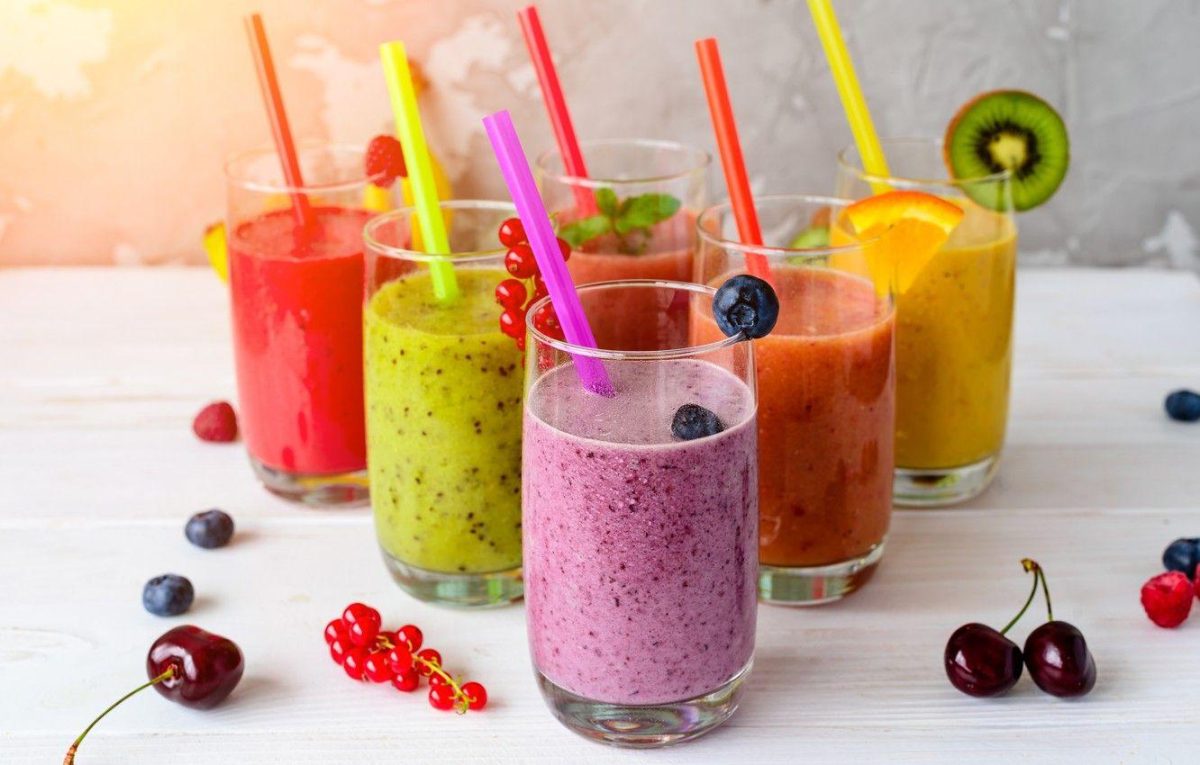
The Rise of Functional Beverages: More Than Just Hydration
In the past, beverages were simple—water quenched thirst, coffee energised mornings, and soft drinks offered indulgence. But in 2025, a new trend is reshaping the way we hydrate: functional beverages. These drinks promise more than refreshment—they aim to improve health, boost immunity, and enhance overall wellness.
What Are Functional Beverages?
Functional beverages are drinks designed with added benefits beyond basic hydration. They often include ingredients like:
- Vitamins and minerals – for energy and immunity.
- Probiotics – for gut health and digestion.
- Adaptogens – herbs that help the body manage stress.
- Electrolytes – to rehydrate faster, especially after workouts.
- Superfoods – like turmeric, ginger, and matcha for antioxidant power.
As one nutritionist explained:
“Functional drinks are no longer a niche—they’ve become part of daily routines, blending health with convenience.”Popular Functional Beverages in 2025
Some of the biggest players in this trend include:
- Kombucha – Fermented tea rich in probiotics.
- Herbal teas – Infused with calming or energising herbs like chamomile or ginseng.
- Vitamin waters – Hydrating with added essential nutrients.
- Plant-based protein shakes – Perfect for fitness and recovery.
- CBD-infused drinks – Offering relaxation and stress relief.
- Adaptogen lattes – Coffee alternatives with ingredients like ashwagandha and reishi mushrooms.
These drinks have moved from health stores to mainstream supermarkets, proving their widespread appeal.
Why People Are Switching to Functional Drinks
The rise in popularity comes from shifting consumer priorities:
- Health-conscious lifestyles: People want drinks that support immunity and long-term wellness.
- Convenience: Pre-made, grab-and-go drinks fit busy schedules.
- Innovation: Creative flavours and branding make them attractive to younger audiences.
- Sustainability: Many functional drink brands also use eco-friendly packaging.
A college student in London described it perfectly:
“I don’t just want a drink—I want something that boosts my energy, helps me focus, or makes me feel healthier.”The Role of Fitness and Wellness Culture
The growth of gym culture, yoga, and holistic wellness practices has fueled demand for functional drinks. Instead of sugary sodas, fitness enthusiasts now reach for:
- Protein shakes post-workout.
- Electrolyte drinks for rehydration.
- Green juices for detox and recovery.
This shift reflects how beverages are blending with lifestyle choices.
Challenges in the Functional Beverage Industry
Despite its growth, the industry faces challenges:
- Price: Many functional drinks are more expensive than regular beverages.
- Scepticism: Some consumers doubt the health claims made by brands.
- Regulations: Governments are beginning to demand clearer labelling on functional drinks.
Even so, demand continues to rise as innovation overcomes these barriers.
Final Thoughts
The rise of functional beverages in 2025 highlights a major shift in how people view drinking. It’s no longer just about quenching thirst—it’s about fueling the body, supporting wellness, and aligning with modern lifestyles.
As one health brand CEO summarised:
“Functional beverages are the future of drinking—they blend science, flavor, and wellness in a bottle.”
Related Blogs

0 Comments