
 Sign in
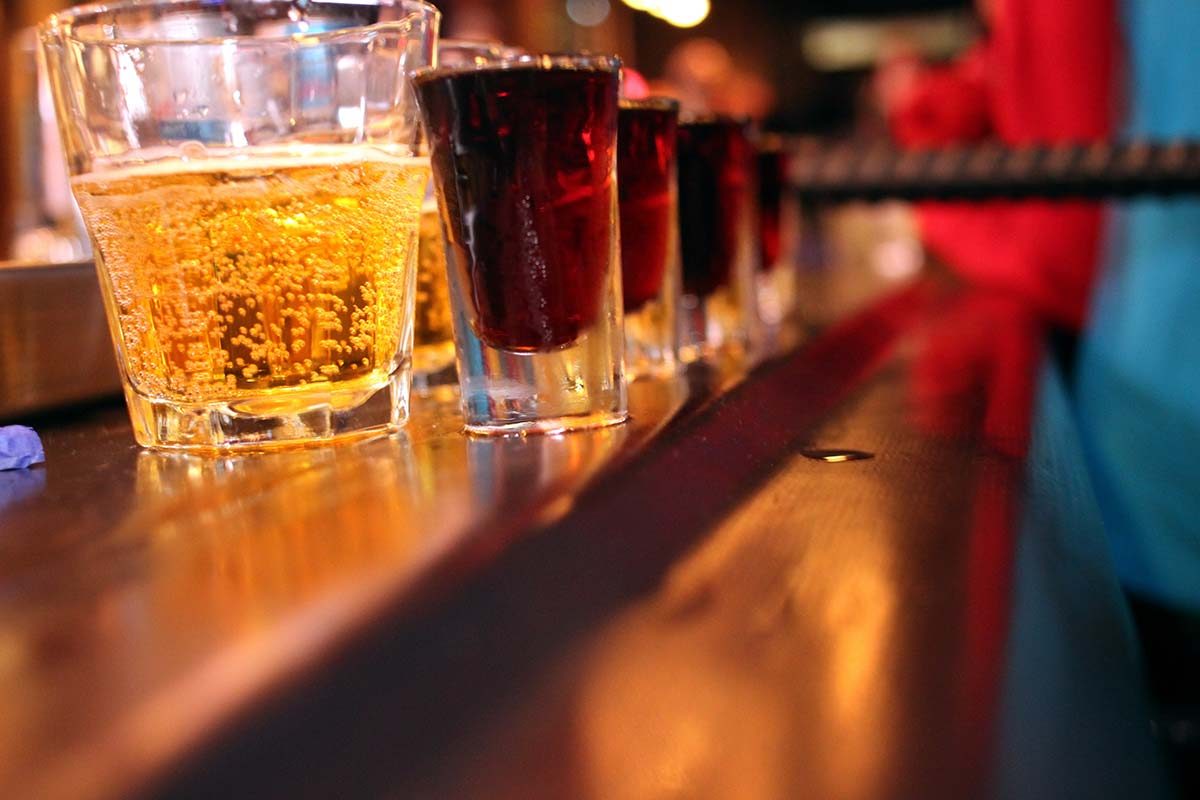
Craft Beer and the Rise of Microbreweries
Beer has always been one of the world’s most popular beverages, but in 2025, the spotlight belongs to craft beer and microbreweries. These small, independent breweries are redefining beer culture with unique flavors, community roots, and artisanal techniques.
What Makes Craft Beer Different?
Unlike mass-produced beer, craft beer is all about creativity, quality, and identity. Brewers focus on:
- Small-batch production – prioritizing quality over quantity.
- Unique flavors – experimenting with fruits, spices, and barrel-aging.
- Local identity – connecting the drink to the region’s culture and ingredients.
- Innovation – pushing boundaries with new brewing methods.
A brewmaster in Portland explained:
“Craft beer is like art in a glass—it’s about telling a story with every sip.”The Boom of Microbreweries
Microbreweries are appearing in cities and small towns alike, often becoming community hubs. Their growth can be attributed to:
- Consumer curiosity – people want to try new flavors beyond mainstream brands.
- Community support – locals enjoy backing independent businesses.
- Tourism appeal – beer trails and brewery tours are popular travel experiences.
- Collaboration – many breweries partner with chefs to create food pairings.
In fact, some cities now boast dozens of microbreweries, each with its own distinct personality.
Popular Styles of Craft Beer in 2025
Some trending varieties include:
- IPAs (India Pale Ales): Known for bold hop flavors.
- Sours and Gose: Tart, refreshing beers with fruity twists.
- Stouts and Porters: Rich, dark beers with coffee and chocolate notes.
- Experimental brews: Infused with chili, herbs, or exotic fruits.
These diverse styles are winning over both casual drinkers and connoisseurs.
Sustainability in Brewing
Like many industries, brewing is becoming more eco-conscious. Breweries are adopting practices such as:
- Reusing water in the brewing process.
- Using locally sourced grains and hops.
- Repurposing spent grains for animal feed or baked goods.
- Switching to eco-friendly cans and packaging.
This sustainable approach is resonating with environmentally aware consumers.
Challenges Facing Craft Beer
Despite its growth, the craft beer industry faces hurdles:
- Competition from both big beer brands and other microbreweries.
- Costs of ingredients and equipment.
- Market saturation in regions with too many breweries.
Yet, creativity and loyal customer bases keep the industry thriving.
Final Thoughts
The rise of craft beer and microbreweries in 2025 highlights a shift toward authenticity, flavor, and community spirit. For many, drinking beer is no longer about choosing the cheapest option—it’s about enjoying an experience crafted with care.
As one loyal craft beer fan said:
“Every pint has a story. When I drink craft beer, I feel connected to the brewer, the place, and the passion behind it.”
Related Blogs





0 Comments