
 Sign in
The Best Diets to Follow in 2025 for Health and Energy
Every year, new diet trends rise and fall, but in 2025, the focus has shifted from quick fixes to sustainable, balanced lifestyles. Instead of rigid restrictions, today’s best diets emphasize whole foods, long-term health, and flexibility.
What Makes a Diet "The Best"?
Nutritionists agree that the best diets share common principles:
- Balance: Including all major food groups.
- Sustainability: Easy to follow long-term.
- Whole foods: Less processed, more natural.
- Flexibility: Adaptable to personal preferences and cultures.
- Health focus: Supporting heart health, digestion, energy, and weight management.
As one dietitian explained:
“The best diet is the one you can maintain for life—because true health is about consistency, not restriction.”Top Diets in 2025
Here are some of the most recommended diets this year:
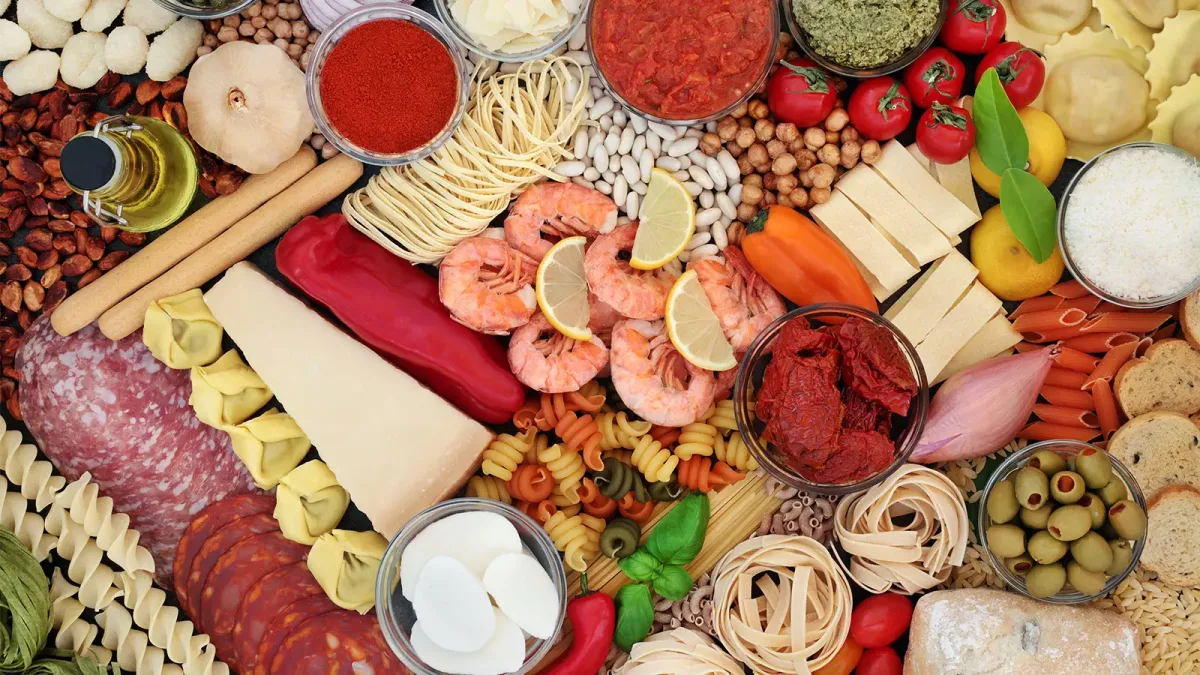
1. Mediterranean Diet
- Focuses on fruits, vegetables, whole grains, legumes, nuts, olive oil, and fish.
- Proven to reduce heart disease risk and support brain health.
- Inspired by traditional eating in countries like Greece and Italy.
2. Flexitarian Diet
- Mostly plant-based but allows occasional meat and fish.
- Appeals to those wanting health benefits without full vegetarian commitment.
- Flexible, affordable, and sustainable.
3. DASH Diet (Dietary Approaches to Stop Hypertension)
- Designed to reduce high blood pressure.
- Emphasizes whole grains, lean proteins, and low-sodium foods.
- Recommended by doctors for cardiovascular health.
4. Plant-Based Diet
- Focuses entirely on fruits, vegetables, legumes, nuts, seeds, and whole grains.
- Linked to lower risks of diabetes and obesity.
- Growing variety of plant-based options makes it easier than ever.
5. Intermittent Fasting (IF)
- Not about what you eat but when you eat.
- Popular patterns include 16:8 fasting (16 hours fast, 8 hours eating window).
- Can help with weight management and metabolic health.
6. Nordic Diet
- Similar to Mediterranean but with Northern European foods.
- Includes rye bread, root vegetables, berries, and oily fish like salmon.
- Eco-friendly and sustainable.
Benefits of Following These Diets
- More energy from nutrient-dense foods.
- Better digestion with fiber-rich meals.
- Weight management without extreme restrictions.
- Stronger immunity from vitamins, minerals, and antioxidants.
- Longevity through heart and brain protection.
A satisfied follower of the Mediterranean diet shared:
“I don’t feel like I’m dieting. I’m enjoying delicious food every day, and my health has never been better.”Tips for Choosing the Right Diet
- Listen to your body: Choose a diet that fits your lifestyle and cultural background.
- Start small: Gradual changes stick better than drastic ones.
- Stay hydrated: Every healthy diet relies on proper hydration.
- Avoid extremes: Diets that eliminate entire food groups are harder to sustain.
- Seek professional guidance: A nutritionist can tailor recommendations.
Final Thoughts
In 2025, the best diets aren’t about following strict rules—they’re about finding a sustainable way to eat that boosts health, energy, and happiness. Whether you lean toward the Mediterranean, experiment with flexitarianism, or try intermittent fasting, the key is balance and consistency.
As nutritionists remind us:
“There’s no one-size-fits-all diet. The best diet is the one that helps you feel your best—today and for the future.”
Related Blogs








0 Comments