
 Sign in
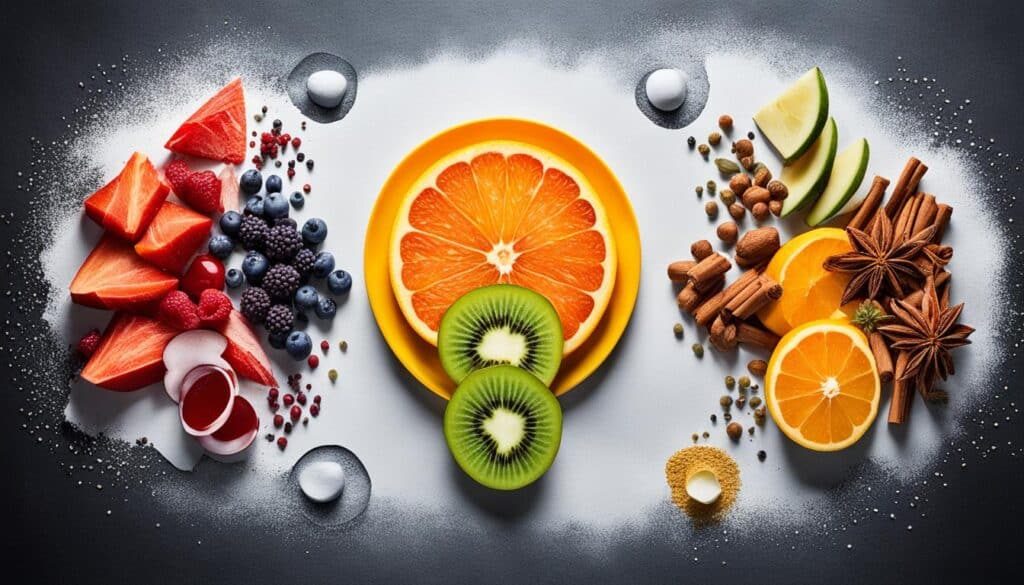
The Art of Food Pairing: How to Match Flavors Like a Chef
Have you ever wondered why wine pairs so well with cheese or why chocolate and coffee seem made for each other? The answer lies in the art of food pairing—a skill that blends science, creativity, and cultural traditions. In 2025, food pairing is more accessible than ever, with chefs and home cooks exploring bold new flavor combinations.
Why Food Pairing Matters
Food pairing is not just about taste—it creates a multi-sensory experience. When flavours complement each other, meals become more satisfying and memorable. The right pairing can:
- Enhance the natural flavor of ingredients.
- Balance richness with freshness.
- Surprise the palate with contrasts.
- Create harmony in multi-course meals.
As one Michelin-starred chef explained:
“Food pairing is about balance. Every dish should tell a story where no ingredient speaks louder than the other.”The Science of Food Pairing
Modern food pairing often uses a scientific approach:
- Shared flavor compounds: Ingredients that share similar molecules often taste good together (e.g., strawberry and chocolate).
- Contrasting flavors: Sweet with salty, spicy with cooling, or bitter with sweet create balance (e.g., salted caramel).
- Texture pairing: Creamy with crunchy or soft with crisp creates excitement (e.g., ice cream with a biscuit).
- Aroma pairing: Scents trigger emotions and enhance taste.
Classic Food Pairings That Always Work
Some combinations have stood the test of time:
- Wine and cheese.
- Peanut butter and jelly.
- Tomatoes and basil.
- Coffee and chocolate.
- Lemon and seafood.
These are simple yet powerful examples of harmony on the plate.
Modern Food Pairing Trends in 2025
Chefs are pushing boundaries with unconventional pairings:
- Chocolate and chili peppers – spicy-sweet fusion.
- Strawberries and balsamic vinegar – fruity yet tangy.
- Beef and coffee rubs – earthy richness with depth.
- Mango and chili salt – tropical sweetness with a kick.
- Avocado and dark chocolate – creamy meets bitter-sweet.
These bold experiments are now influencing restaurants and home cooking.
Tips to Practice Food Pairing at Home
You don’t need to be a chef to master flavor pairing. Try these steps:
- Start with classics – learn why they work.
- Experiment slowly – add one new twist at a time.
- Balance intensity – pair bold flavors with subtle ones.
- Play with textures – crunchy, creamy, soft, and crisp can transform a meal.
- Trust your palate – your personal taste is the best guide.
The Role of Drinks in Pairing
Food pairing isn’t only about solid foods—drinks complete the experience. For example:
- Wine with cheese for balance.
- Beer with spicy food to cool heat.
- Green tea with sushi for cleansing the palate.
- Cocktails with desserts for flavor layering.
The right beverage enhances flavors and refreshes between bites.
Final Thoughts
The art of food pairing in 2025 blends tradition, science, and creativity. Whether you stick with timeless classics or experiment with bold new combinations, pairing flavors can transform simple meals into culinary masterpieces.
As one food critic said:
“Great meals aren’t about complexity—they’re about harmony. Food pairing is the invisible thread that ties everything together.”
Related Blogs



0 Comments