
 Sign in
The Future of Plant-Based Meat Alternatives
The global conversation around food is rapidly shifting, and at the center of it is the rise of plant-based meat alternatives. What started as a niche vegan trend has evolved into a mainstream food revolution. In 2025, plant-based meats are no longer just about avoiding animal products—they represent innovation, sustainability, and a new approach to flavor.
Why Plant-Based Meat is Taking Off
Several factors explain the rapid adoption of meat alternatives:
- Environmental concerns: Livestock farming contributes heavily to greenhouse gases, while plant-based proteins use fewer resources.
- Health benefits: Many consumers see plant-based options as lower in cholesterol and fat.
- Dietary diversity: Flexitarians and health-conscious eaters are experimenting beyond meat.
- Technology: Advancements have made plant-based meats taste and feel more like real meat than ever before.
A food scientist recently said:
“Plant-based meat is no longer a compromise—it’s becoming a culinary choice people enjoy.”Types of Plant-Based Meat in 2025
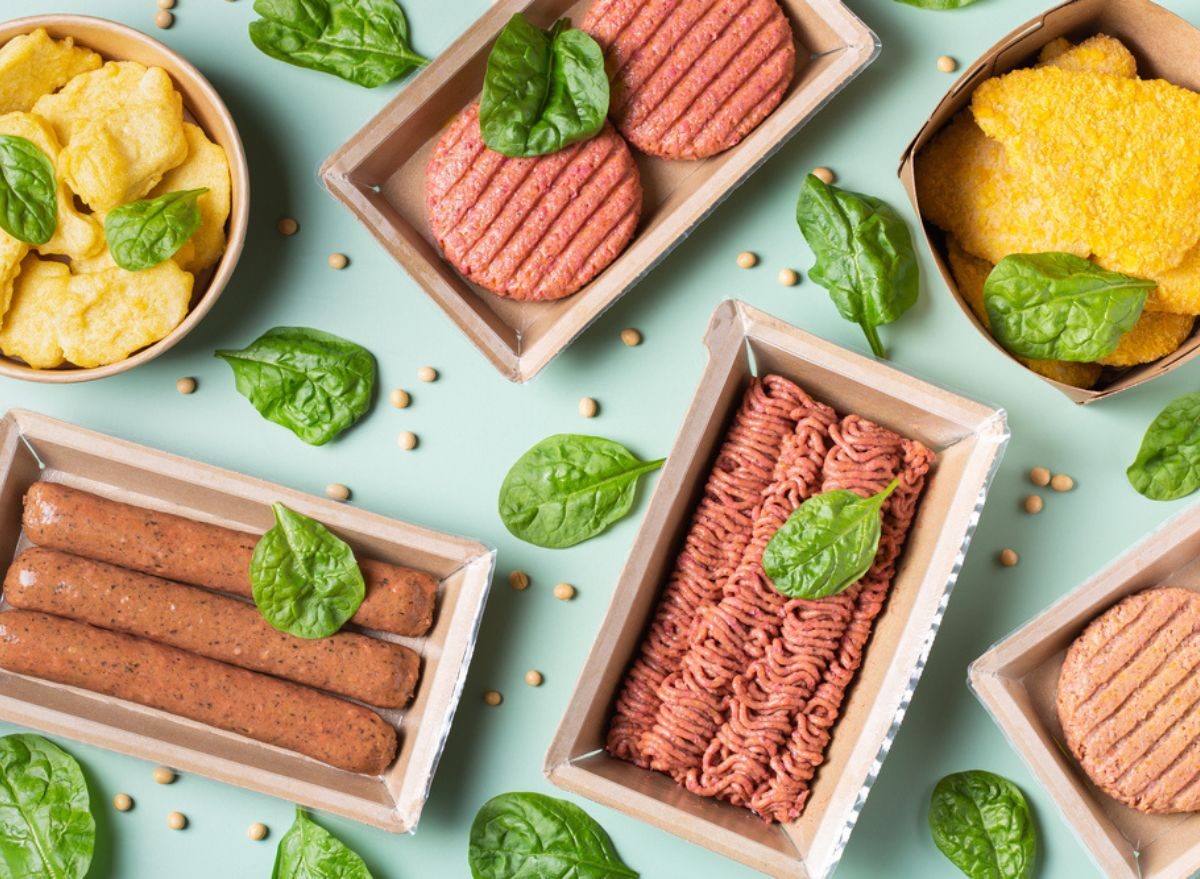
Today’s market offers far more than veggie burgers. Popular options include:
- Burgers and patties – with texture nearly identical to beef.
- Sausages and hot dogs – infused with smoky flavors.
- Chicken alternatives – used in nuggets, tenders, and wings.
- Seafood alternatives – plant-based tuna, salmon, and shrimp gaining popularity.
- Deli slices and cold cuts – for sandwiches and wraps.
Innovations Driving the Industry
The next wave of plant-based food is fueled by cutting-edge innovation:
- Precision fermentation: Produces proteins like casein and whey without animals.
- Cellular agriculture (lab-grown meat): Though not fully plant-based, it complements the movement.
- 3D food printing: Customizes textures for steaks and seafood.
- Blended products: Mixing vegetables, grains, and mushrooms for healthier, flavorful options.
Benefits Beyond Health
Plant-based meat is more than a diet choice—it’s part of a global sustainability movement:
- Reduces water usage compared to traditional livestock.
- Decreases deforestation linked to animal feed production.
- Helps combat climate change by lowering emissions.
- Offers ethical alternatives for animal welfare.
Challenges Ahead
The industry still faces obstacles, such as:
- High costs compared to regular meat.
- Taste skepticism among traditional meat lovers.
- Labeling debates over whether plant-based products can be called “meat.”
- Over-processing concerns from health-focused consumers.
Despite these hurdles, the momentum is strong, and brands are innovating to overcome them.
The Future Outlook
By 2030, experts predict that plant-based and alternative proteins could make up a quarter of the global protein market. Restaurants, fast-food chains, and even luxury dining are embracing these products.
As one restaurateur put it:
“In a few years, plant-based options won’t be the alternative—they’ll just be food.”Final Thoughts
The future of plant-based meat alternatives in 2025 is bright, blending science, sustainability, and culinary creativity. Whether for health, the planet, or taste, more people are choosing plant-based meats—and the food industry is listening.
Related Blogs









0 Comments