
 Sign in
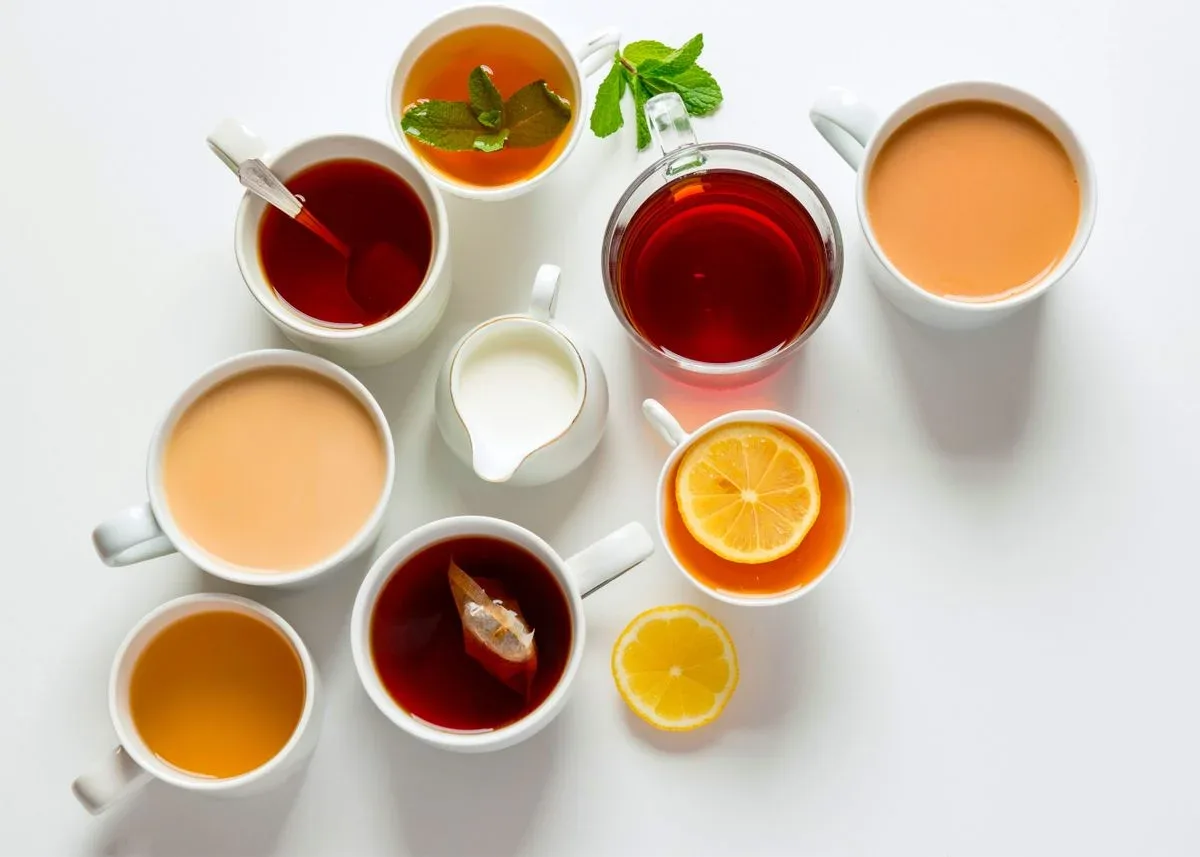
The Timeless Appeal of Tea: Tradition, Health, and Modern Trends
Tea is one of the oldest and most consumed beverages in the world, second only to water. In 2025, it continues to hold its place not only as a daily ritual but also as a symbol of wellness, mindfulness, and cultural heritage.
The Global Popularity of Tea
Tea’s appeal lies in its versatility:
- Hot or cold – comforting in winter, refreshing in summer.
- Caffeinated or herbal – fitting every lifestyle and preference.
- Simple or ceremonial – from quick cups to elaborate rituals.
As one tea enthusiast in London described it:
“Tea is not just a drink—it’s a pause, a moment to breathe and reconnect.”Types of Tea and Their Benefits
Different varieties of tea offer unique flavors and health properties:
- Green Tea: Rich in antioxidants, supports metabolism and brain health.
- Black Tea: Bold in flavor, boosts energy and focus.
- Oolong Tea: A balance between green and black, aids digestion.
- White Tea: Subtle and delicate, known for skin health.
- Herbal Infusions: Chamomile, peppermint, and rooibos promote relaxation and wellness.
Tea Trends in 2025
The tea industry has embraced modern lifestyles with new trends:
- Functional teas infused with adaptogens, vitamins, and collagen.
- Cold brew teas offering smoother, refreshing flavor.
- Bubble tea evolution with healthier toppings and sugar-free options.
- Luxury tea experiences pairing teas with fine dining.
- Sustainable tea brands using biodegradable packaging and fair-trade sourcing.
Cultural Significance of Tea
Tea remains deeply tied to traditions around the world:
- Chinese tea ceremonies emphasize mindfulness and respect.
- Japanese matcha rituals focus on harmony and balance.
- British afternoon tea blends elegance with social connection.
- Indian chai brings warmth and spice into daily life.
- Moroccan mint tea symbolizes hospitality and friendship.
Each culture gives tea its own meaning and ritual, making it a universal yet diverse beverage.
Tea Pairings and Experiences
In 2025, tea has also entered the culinary space:
- Tea with desserts such as matcha cakes or Earl Grey macarons.
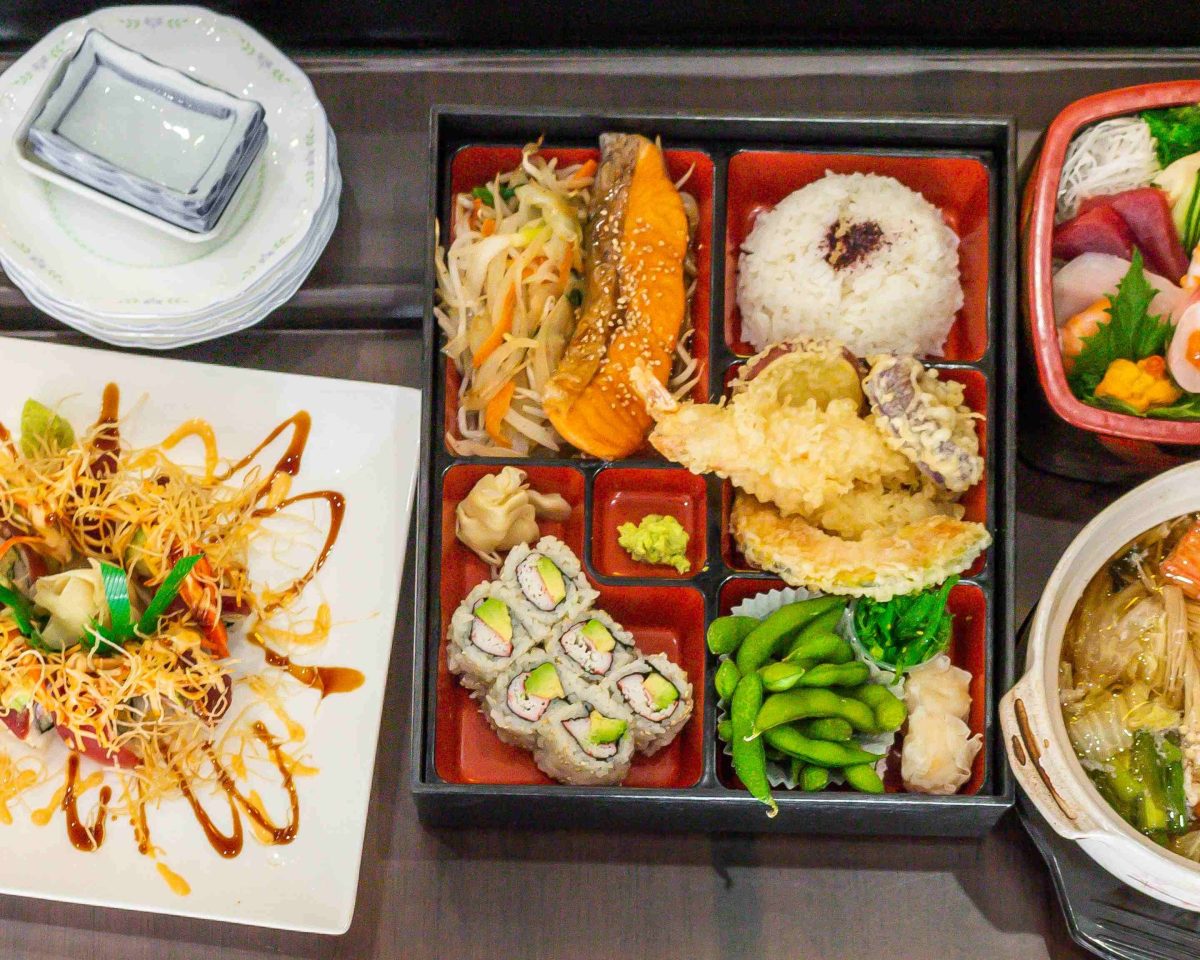
- Savory tea pairings with sushi, cheeses, or light meats.
- Tea tasting events that mimic wine tastings.
- Tea-inspired cocktails combining herbs and botanicals.
Challenges for the Tea Industry
Like coffee, tea faces challenges too:
- Climate change threatens tea-growing regions.
- Over-commercialization risks lowering quality.
- Health claims need careful scientific validation.
Despite this, tea’s adaptability ensures its continued growth.
Final Thoughts
The timeless appeal of tea lies in its ability to balance tradition with modern innovation. Whether enjoyed in a quiet morning ritual, at a ceremonial gathering, or as part of a new health trend, tea remains a drink of comfort, connection, and culture.
As a famous saying goes:
“Tea is the magic key to the vault where my brain is kept.”
Related Blogs






0 Comments