
 Sign in
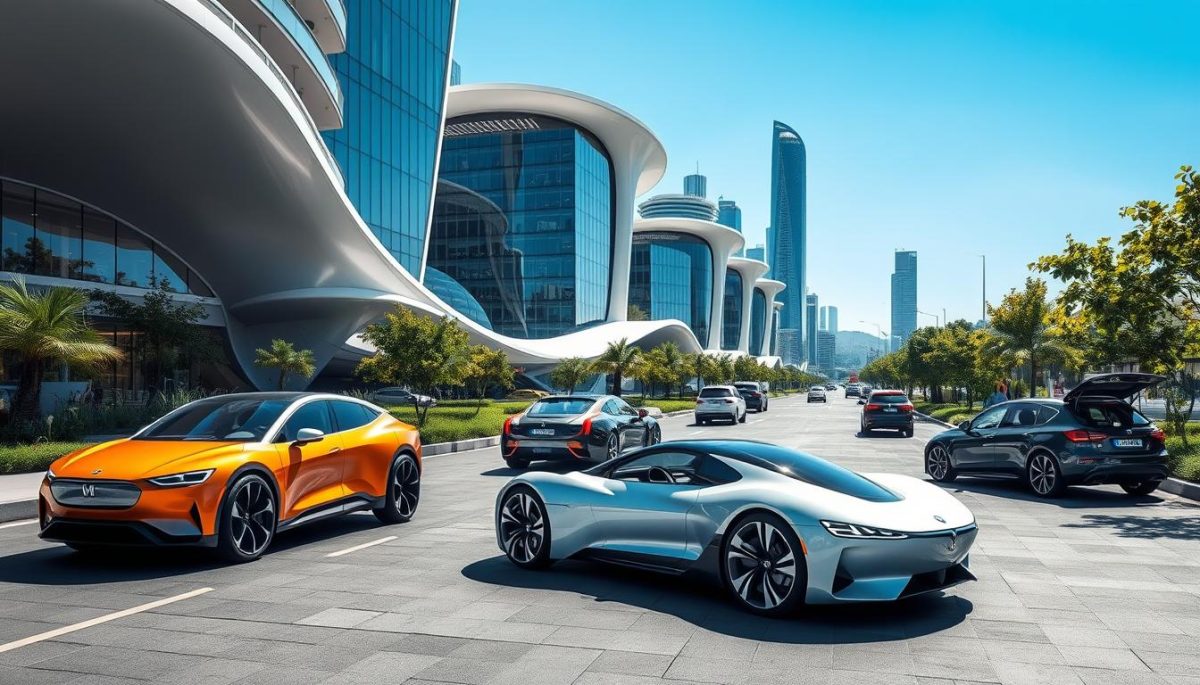
The Future of Car Design: Technology Meets Aesthetics
Car Design in 2025: Where Style Meets Technology
Car design has always been about more than just looks. In 2025, design is function—a reflection of technology, sustainability, and lifestyle. While older vehicles were primarily judged by horsepower and luxury, today’s cars are evaluated by how intelligent, eco-friendly, and user-centered they are.
Design is becoming the bridge between aesthetics and innovation, ensuring that cars are not only beautiful but also smarter and more efficient than ever before.
🚗 Key Design Trends in 2025
The automotive industry is experiencing a major shift. Some leading trends include:
- Aerodynamic Shapes – Sleeker exteriors reduce drag and improve efficiency, especially for EVs.
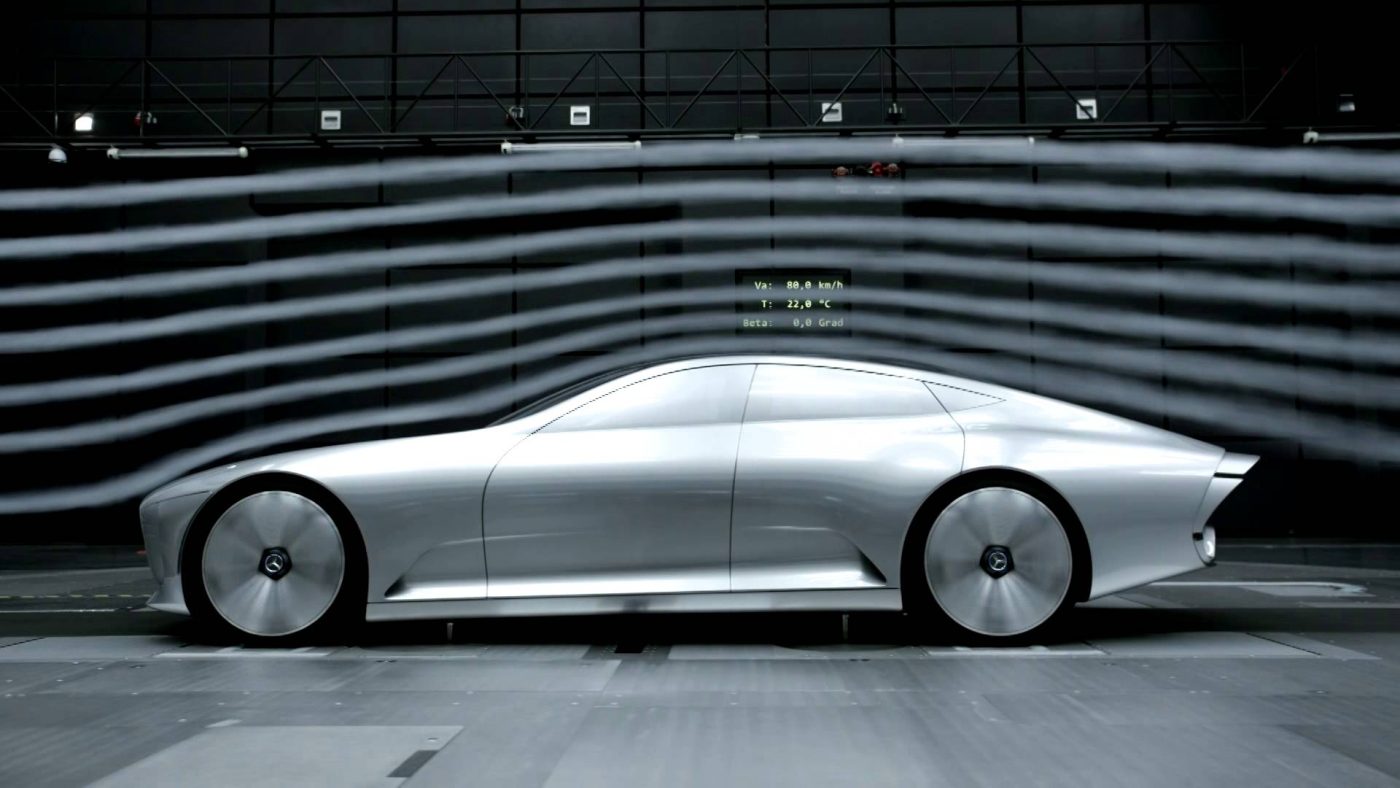
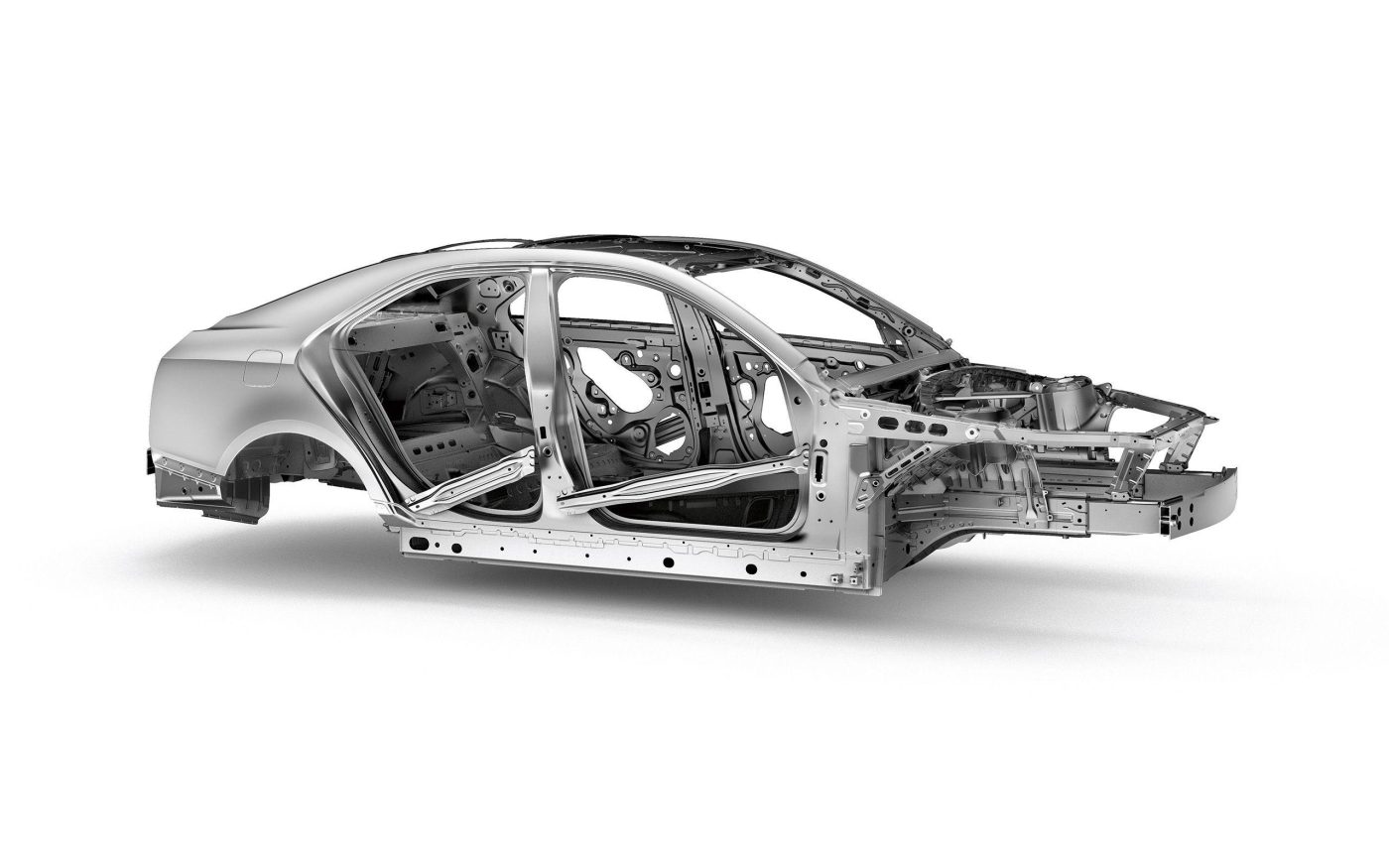
- Lightweight Materials – Carbon fibre, aluminium, and composites make cars faster and more fuel-efficient.
- Sustainable Interiors – Vegan leather, bamboo, and recycled plastics are replacing traditional materials.
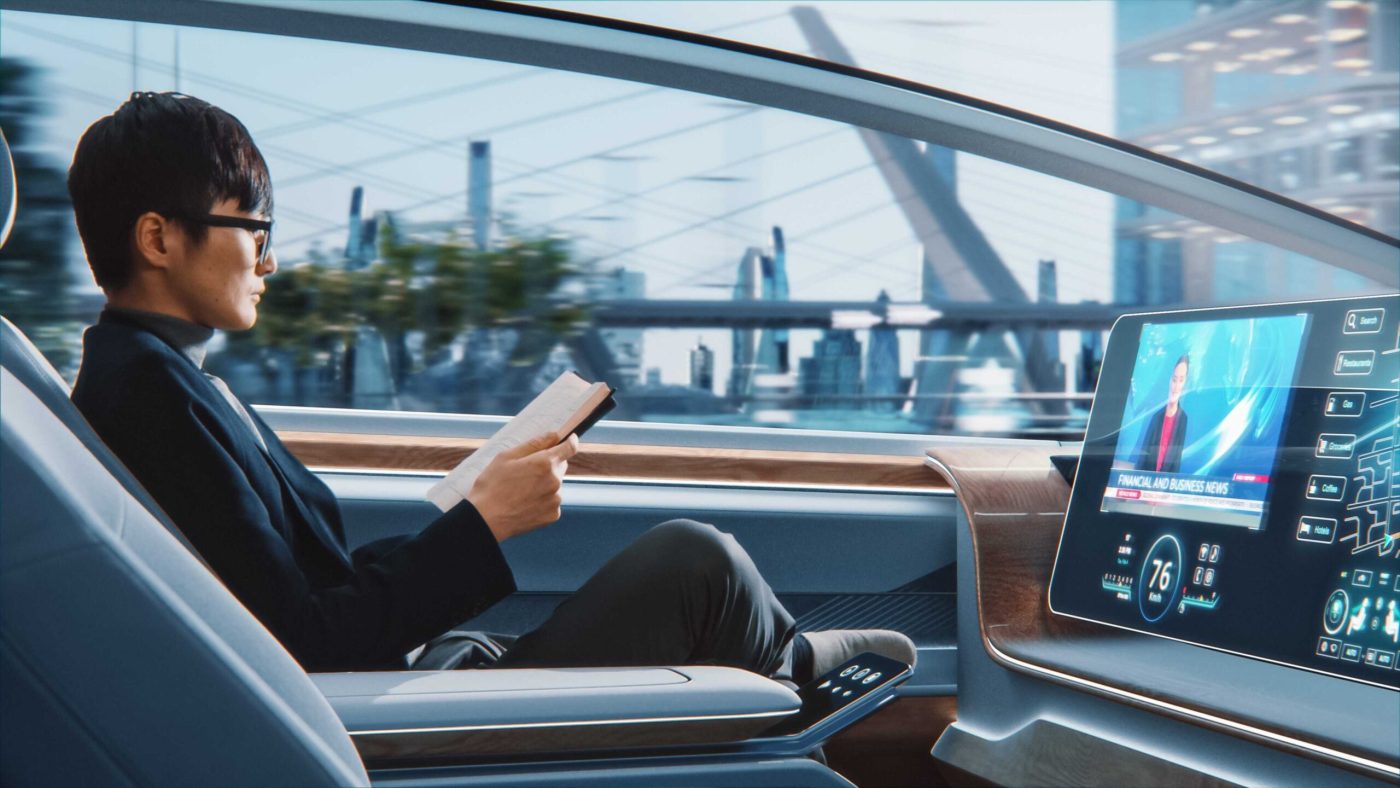
- Minimalist Dashboards – Touchscreens and voice-activated systems replace physical buttons.
- LED & Smart Lighting – Adaptive headlights and customizable ambient lighting for safety and style.
“Cars are no longer just machines. They’re becoming digital companions with personalities reflected in their design.”
💡 Technology Redefining Car Design
Technology is deeply shaping both the exterior and interior of cars:
- AI-Driven Design Tools – Automakers simulate wind resistance, safety, and comfort before production.
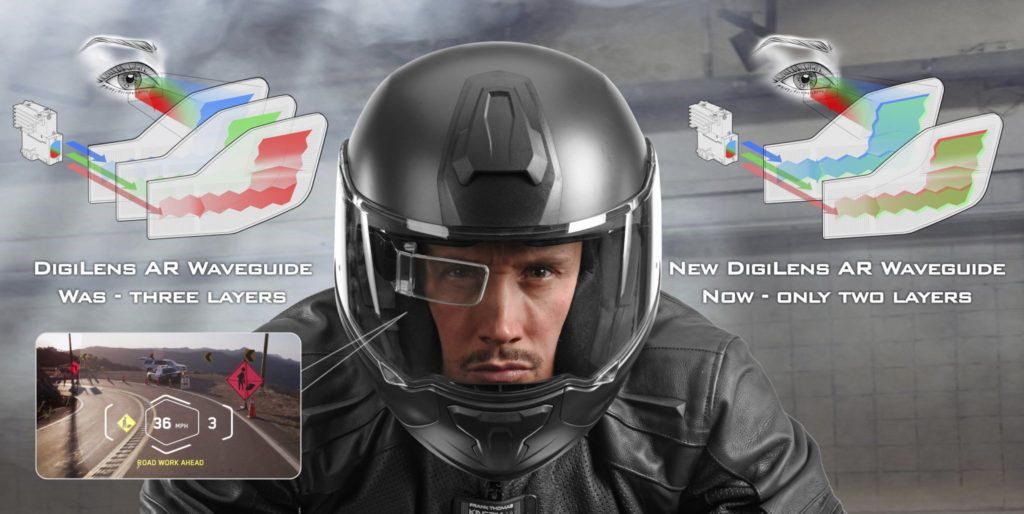
- Augmented Reality Windshields – Dashboards evolve into AR displays with live navigation and alerts.
- Adaptive Interiors – Seats, lighting, and climate adjust to the driver’s mood.
- Smart Materials – Paint that changes color with light or temperature is now a reality.
🌱 Sustainability in Car Design
Eco-friendliness is at the core of modern design:
- Use of recycled ocean plastics and plant-based fabrics in interiors.
- Non-toxic, water-based exterior paints.
- Aerodynamic efficiency that reduces energy use.
- Modular components designed for easy recycling.
⚖️ Balancing Aesthetics and Functionality
Designers face a delicate challenge: blending beauty with practicality. For example:
- EVs require fewer grilles, leading to sleeker designs.
- SUVs are redesigned to be lighter and more efficient.
- Urban cars are smaller, smarter, and built for city life.
“A great car design doesn’t just attract the eye—it solves a problem for the driver.”
🚀 The Future of Car Design
Looking ahead, we can expect breakthroughs like:
- Customizable exteriors with LED panels that change colors.
- Fully modular interiors—seats that move, swivel, or fold into workspaces.
- Biometric security—unlocking cars with facial recognition or fingerprints.
- Concept-to-reality crossover—futuristic concepts hitting production faster.
Final Thoughts
The future of car design is a blend of technology, sustainability, and human experience. Cars are evolving into intelligent machines that represent both performance and personal identity. In 2025 and beyond, the question is no longer just “What car do you drive?” but “What experience does your car give you?”
“The car of tomorrow is not just a vehicle—it’s a lifestyle statement on wheels.”
Related Blogs

1 Comments
Mehran Ullah Reply
hi
Mehran Ullah
whats up