
 Sign in
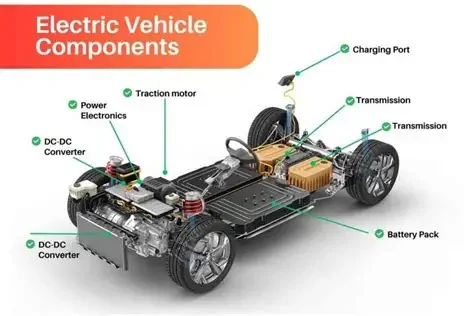
How Electric Vehicles (EVs) Work, A Systems Engineering Breakdown
Electric vehicles are often oversimplified as “battery + motor = motion.” In reality, an EV is a tightly integrated high-voltage energy conversion system, engineered across electrical, mechanical, thermal, and software domains.
From an OEM perspective (like Toyota), an EV is not just a product. It’s a platform architecture challenge where efficiency, reliability, safety, and cost must converge.
Let’s break it down as a real powertrain team would.
1. The Core EV Architecture (System View)
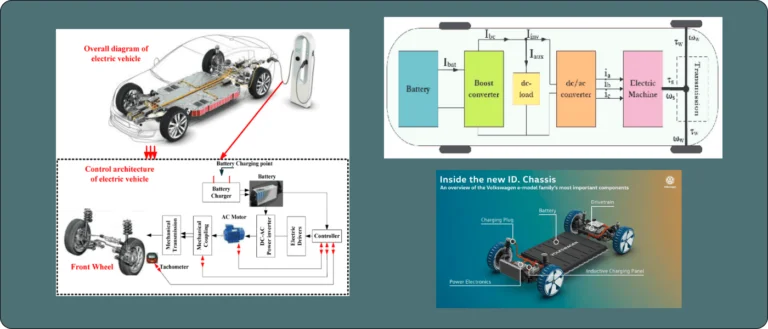
At the highest level, every battery electric vehicle (BEV) consists of four subsystems:
- Energy Storage System (Battery Pack)
- Power Electronics System (Inverter + Converter)
- Electric Drive Unit (Motor + Reduction Gear)
- Thermal + Control System (BMS + ECU + Cooling Loops)
These work together in a continuous energy loop:
Grid → Battery → Inverter → Motor → Wheels → Regeneration → Battery
This is the foundation of EV propulsion.
2. Battery Pack, The Energy Backbone
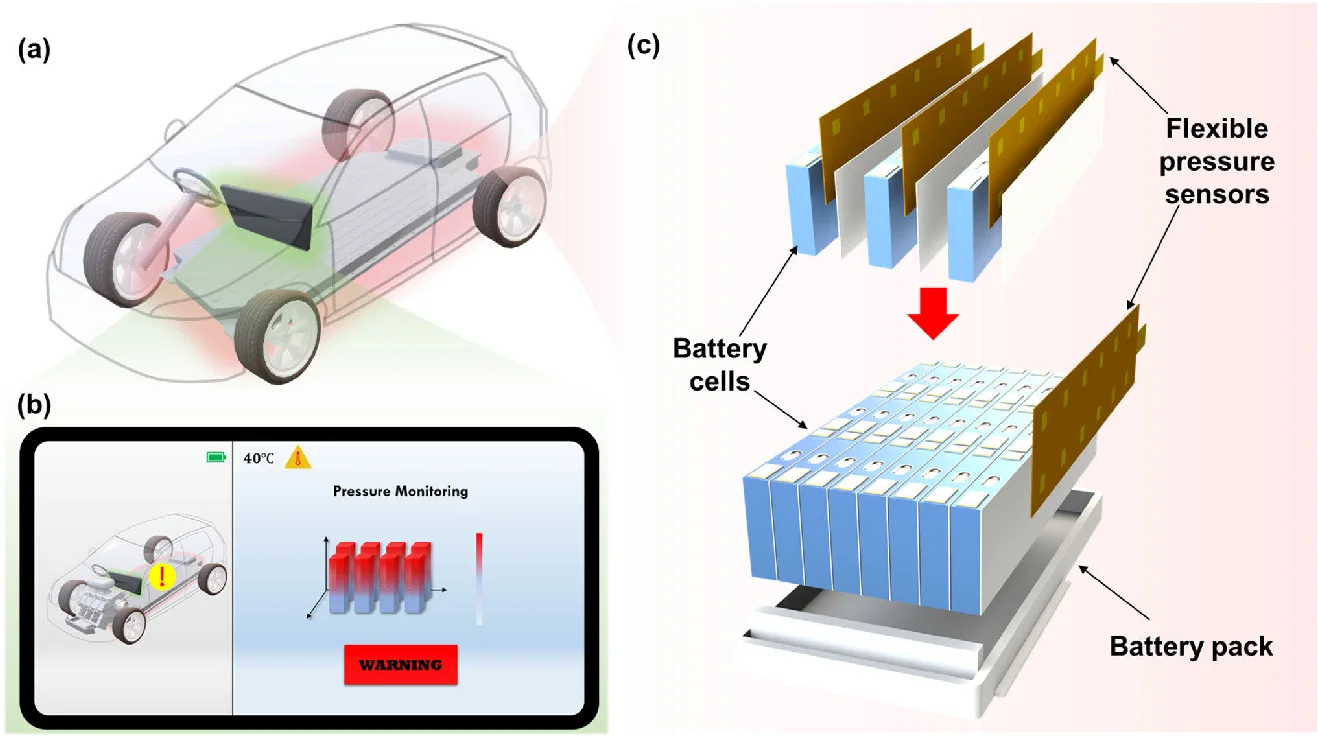
The battery is not a single unit; it’s a high-voltage electrochemical system made of thousands of lithium-ion cells.
Key engineering layers:
- Cells → modules → pack assembly
- Voltage range: typically 300V–800V systems
- Integrated Battery Management System (BMS)
What the battery actually does:
- Stores DC electrical energy
- Releases controlled power to the inverter
- Receives energy during regenerative braking
Critical constraints:
- Thermal runaway risk
- Degradation over cycles (State of Health)
- Power vs energy trade-offs
From an OEM standpoint, battery design is the main cost driver and lifecycle limiter of the vehicle.
3. Inverter, The Real Control Brain of the EV
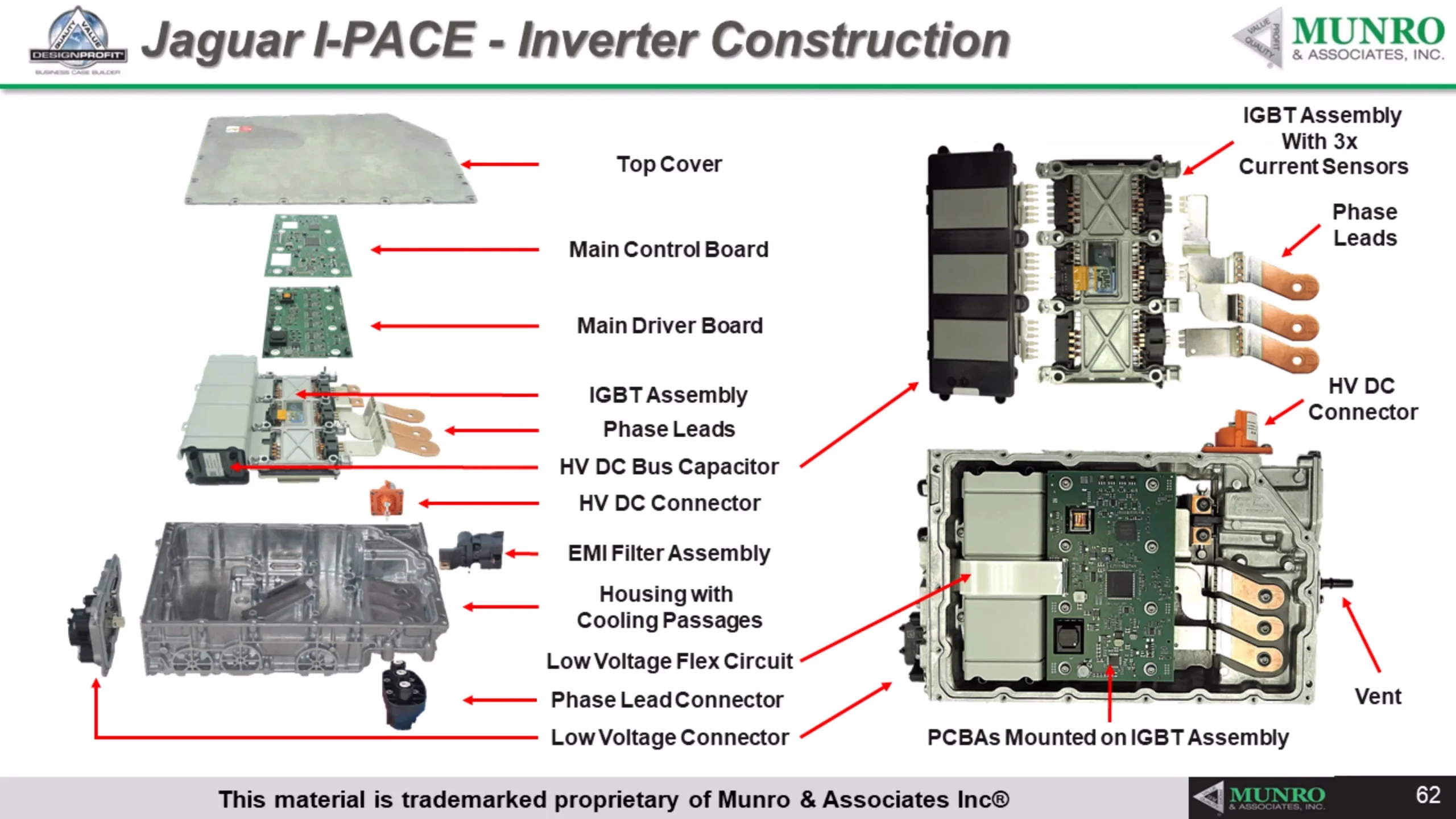
Most people focus on the battery. Engineers focus on the inverter.
Why? Because the battery cannot drive a motor directly.
Function:
- Converts DC (battery) → AC (motor phases)
What it actually controls:
- Motor torque
- Vehicle acceleration curve
- Regenerative braking strength
- Efficiency mapping
Think of it as:
The “real-time translator” between energy storage and mechanical motion.
Modern inverters operate at ~99% efficiency, meaning optimisation gains are small but critical at scale.
4. Electric Motor, Torque on Demand
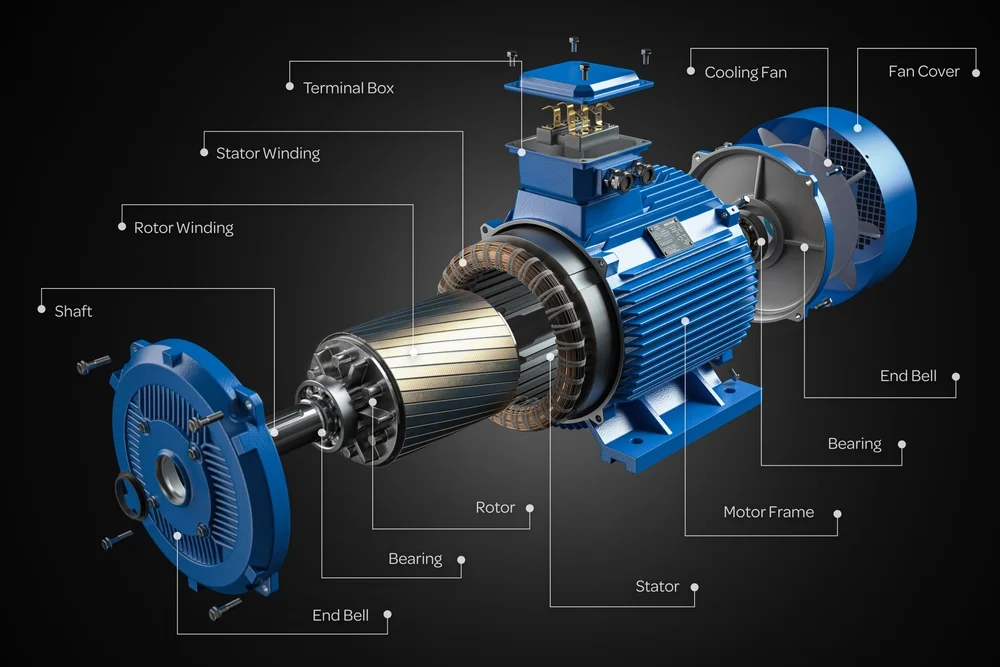
The motor is where electrical energy becomes mechanical motion.
Core principle:
Electric current creates a magnetic field → rotating force → shaft rotation.
Most EVs use:
- Permanent Magnet Synchronous Motors (PMSM)
- Induction motors (selected applications)
Key advantage over ICE:
- Maximum torque available from 0 RPM
- No gear shifting required in most designs
This is why EV acceleration feels instant — torque delivery is software-controlled, not mechanically staged.
5. Drivetrain, Simple but High Precision
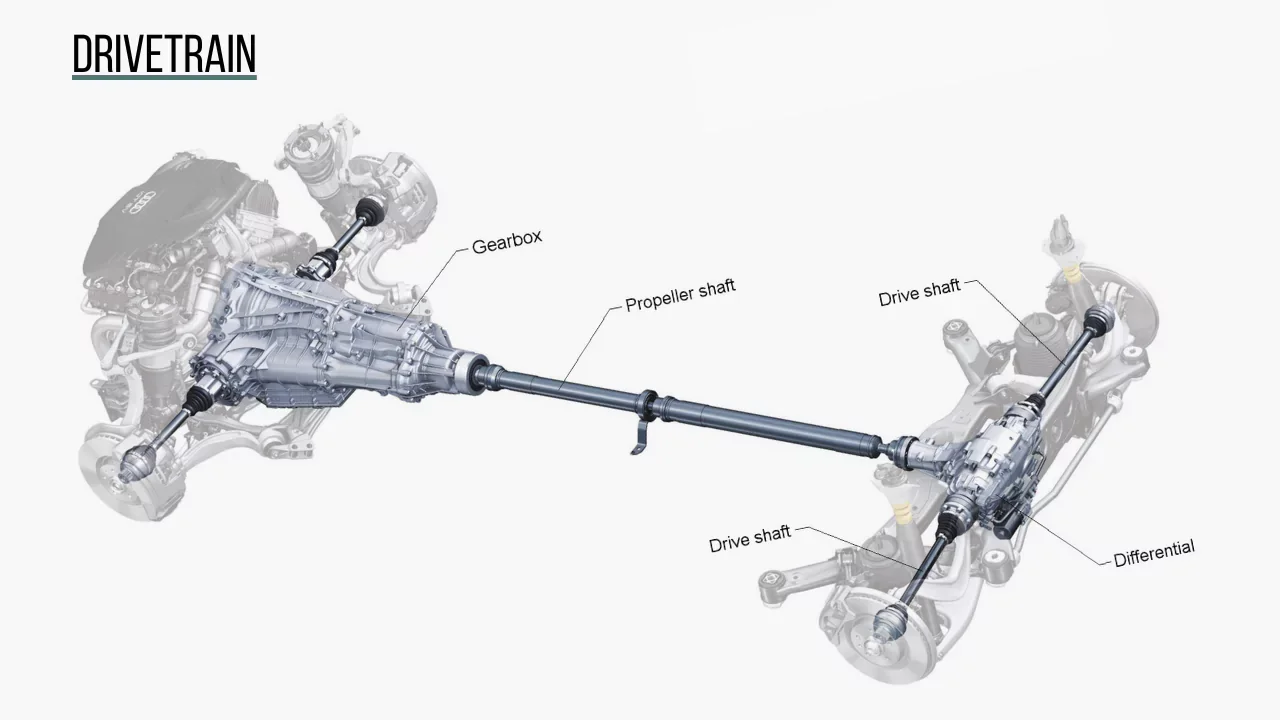
Compared to internal combustion vehicles, the EV drivetrain is structurally simpler:
- Single-speed reduction gearbox
- Differential
- Half shafts to wheels
No multi-speed transmission in most designs.
But simplicity is misleading — tolerances are tighter because:
- Torque response is instantaneous
- NVH (noise, vibration, harshness) must be actively managed via software
6. Regenerative Braking, Energy Recovery Loop
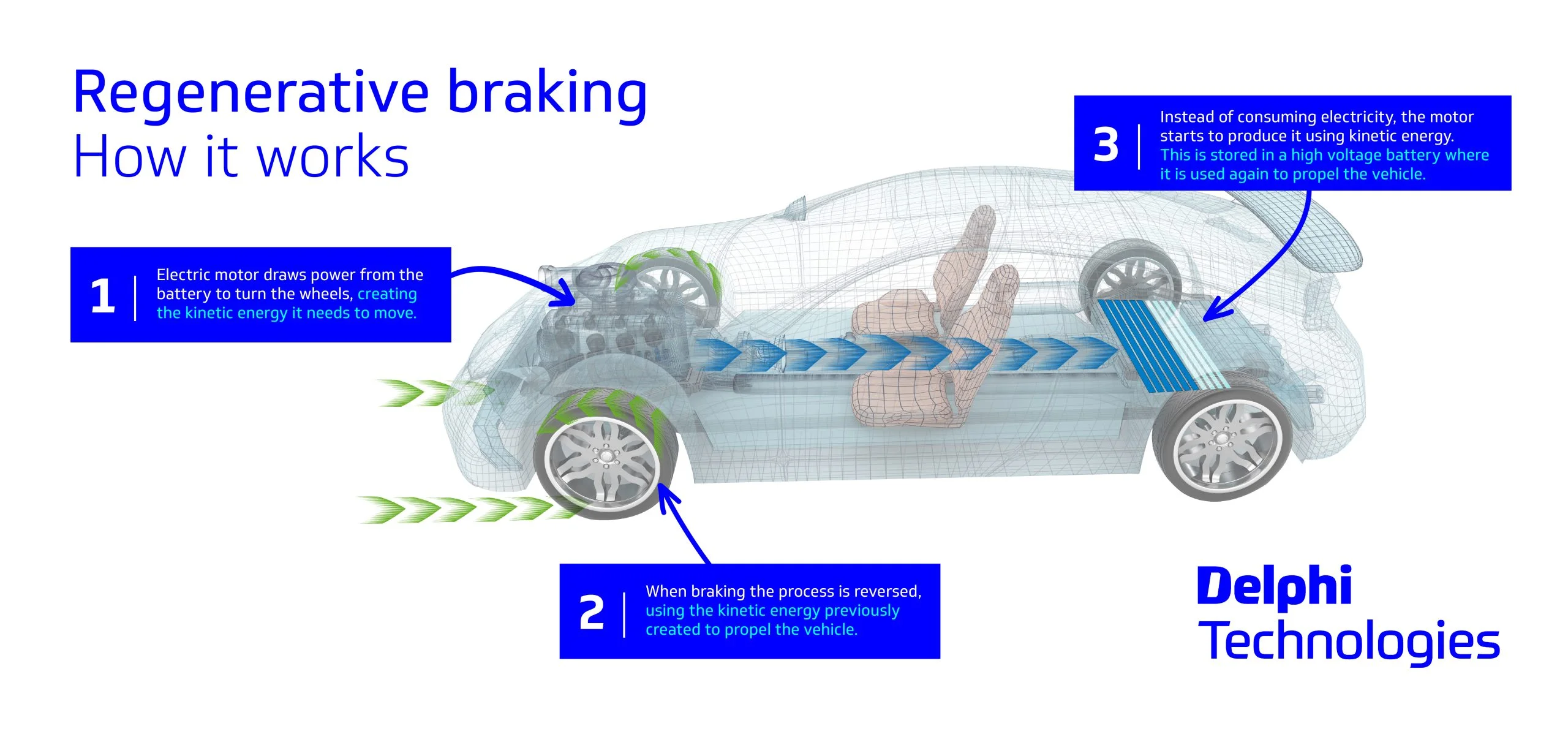
One of the most strategically important systems in EV architecture.
Mechanism:
During deceleration:
- Motor switches to generator mode
- Kinetic energy → electrical energy
- Energy sent back to battery
This improves efficiency by recovering energy otherwise lost as heat.
In real-world driving, regenerative braking can significantly extend range in stop-and-go traffic conditions.
7. Thermal Management, The Hidden Performance Layer
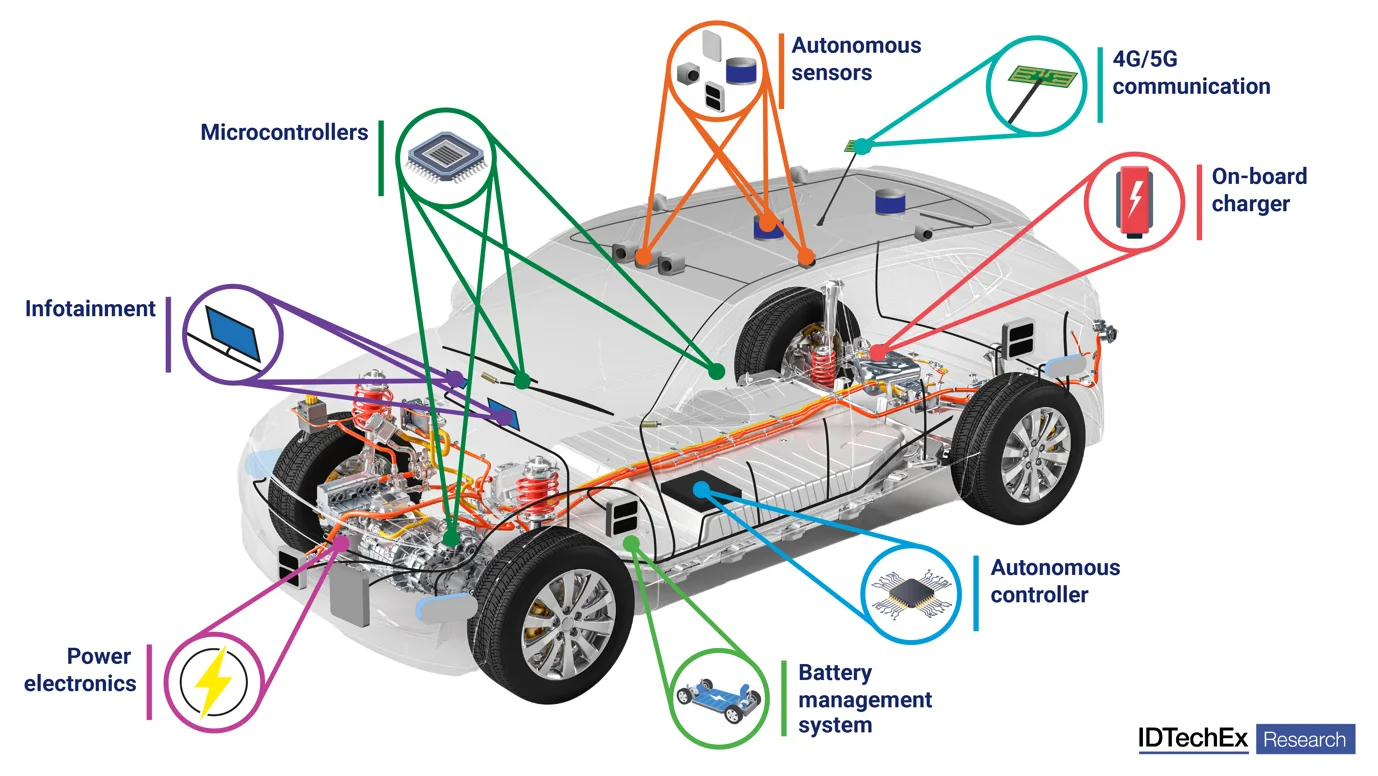
This is where OEM-level engineering becomes critical.
EVs require thermal control for:
- Battery pack
- Inverter
- Motor
- Cabin climate system
Why it matters:
- Battery performance drops outside optimal temperature range
- Fast charging generates extreme heat loads
- Efficiency depends on temperature stability
Modern EVs use:
- Liquid cooling loops
- Heat pumps
- Thermal energy sharing between systems
Thermal strategy directly impacts:
Range, charging speed, battery lifespan, and safety.
8. Software Layer, The Real Differentiator
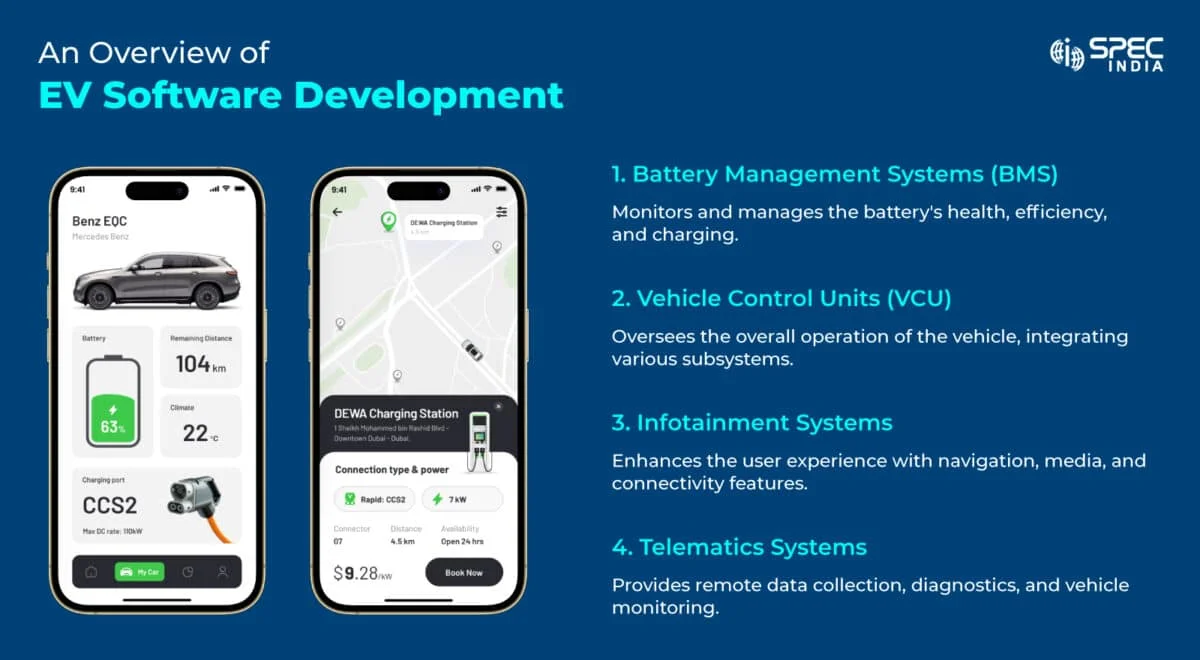
Modern EVs are not just hardware systems; they are software-defined powertrains.
Key control modules:
- Battery Management System (BMS)
- Vehicle Control Unit (VCU)
- Motor Control Unit (MCU)
Software responsibilities:
- Torque mapping
- Energy optimization
- Regenerative blending
- Charging control logic
- Safety monitoring
This is where companies differentiate aggressively — hardware is converging, software is diverging.
9. System-Level Reality (What OEM Engineers Focus On)
From a Toyota-style engineering lens, the real challenge is not “how to make an EV move.”
It is:
- How to maximise range without increasing battery cost
- How to reduce thermal losses across systems
- How to ensure 10–15 year durability
- How to maintain safety under all fault conditions
- How to standardise platforms for multiple vehicle classes
EV development is fundamentally a systems optimisation problem, not a component design problem.
10. Future Direction, Where EV Architecture Is Going
Industry trends show clear direction:
- Integrated inverter + motor + gearbox units
- 800V+ architectures for ultra-fast charging
- Silicon carbide (SiC) power electronics
- Structural battery packs (battery as chassis element)
- AI-driven predictive energy management
The next generation EV is not just electric — it is:
A fully integrated energy computing system on wheels.
Related Blogs


1 Comments
metra Admin Reply
That was nice