
 Sign in
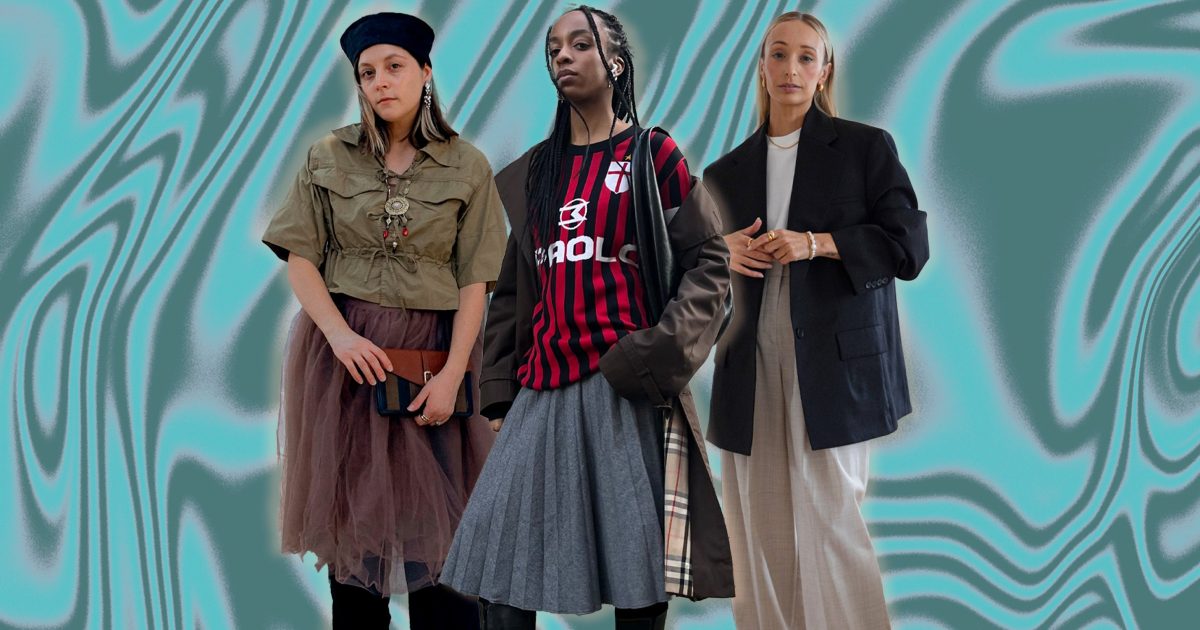
Beauty & Fashion Influencer Trends in 2025
The beauty and fashion industry has always been influenced by cultural icons, but in the digital age, social media creators are the new trendsetters. In 2025, influencers remain one of the most powerful forces shaping consumer decisions, brand strategies, and fashion culture. However, the way influencers operate—and the way audiences respond—has evolved significantly.
One of the biggest shifts this year is the rise of authenticity over perfection. Audiences are increasingly drawn to influencers who share real experiences, unfiltered content, and honest product reviews. Highly polished and overly curated posts are losing traction, while raw, relatable content is gaining popularity. Consumers want transparency, and influencers who can deliver it are thriving.
Short-form video platforms like TikTok and Instagram Reels continue to dominate, but 2025 has also seen a rise in niche platforms where micro-influencers build strong communities. These smaller creators may not have millions of followers, but their audiences are highly engaged and loyal. Brands are recognizing the value of micro- and nano-influencers for authentic promotion.
Another trend is the fusion of influencers and e-commerce. Shoppable livestreams, where influencers showcase products in real time, are becoming a standard marketing strategy. With one click, audiences can purchase what they see, making the shopping journey seamless. This blend of entertainment and retail is transforming how consumers interact with fashion and beauty brands.
The metaverse and digital fashion are also expanding influencer culture. Many creators now experiment with virtual clothing, NFTs, and avatar styling. This not only reduces waste but also opens up a futuristic way for influencers to showcase looks that may never exist in the physical world.
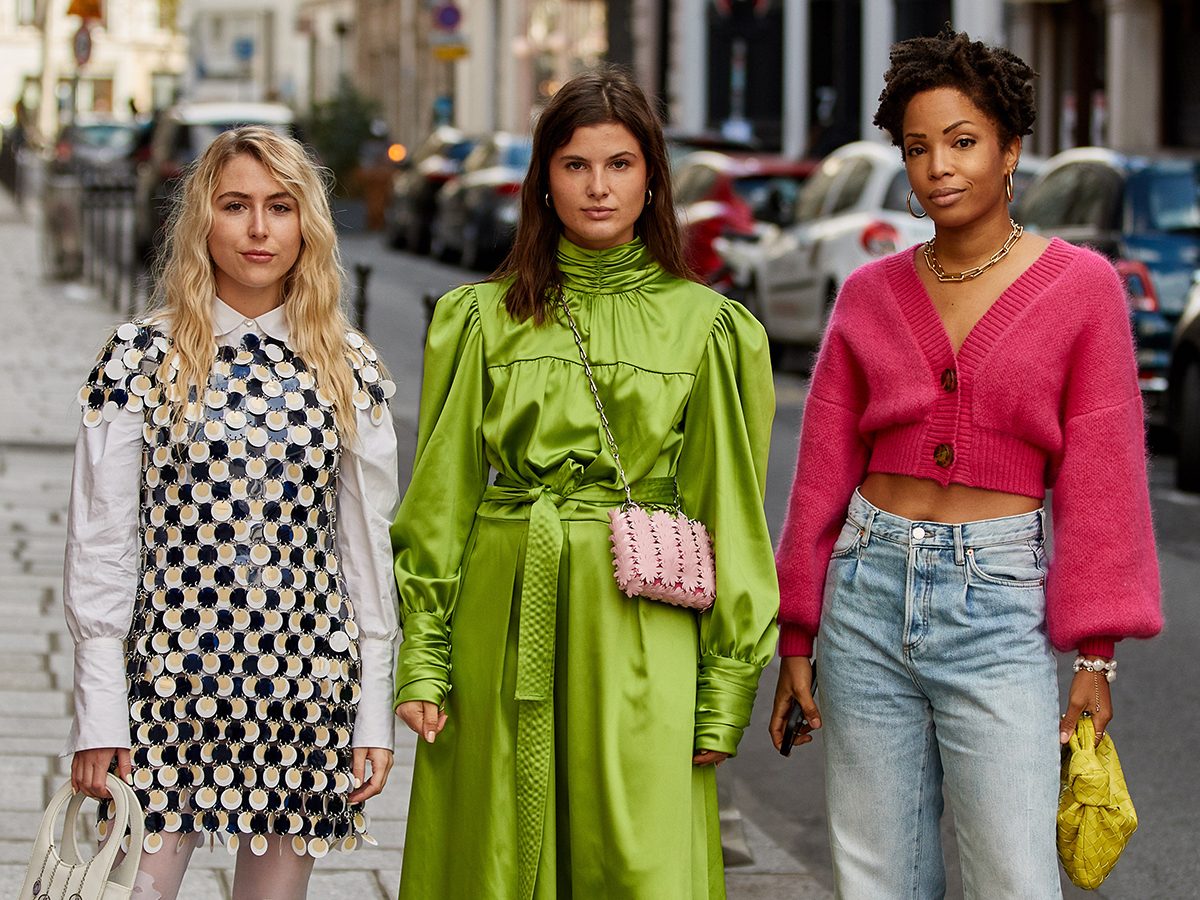
Inclusivity is another defining trend. Influencers in 2025 represent diverse body types, ethnicities, genders, and lifestyles, breaking away from outdated beauty standards. Audiences are rewarding this diversity by following creators who reflect real-world experiences.
Finally, influencer marketing is becoming more data-driven. Brands are using AI tools to analyze engagement patterns, audience demographics, and purchase behavior before collaborating with influencers. This ensures more effective partnerships and a higher return on investment.
Final Thoughts
Beauty and fashion influencers in 2025 are not just content creators—they are cultural leaders, marketers, and innovators. With authenticity, diversity, and technology driving the landscape, influencers are redefining how trends spread and how consumers connect with fashion and beauty. For brands and audiences alike, this evolution signals a future where social media influence is more meaningful, inclusive, and interactive than ever before.
Related Blogs
0 Comments